One of the most Common questions we get is simply, “Do solar panels work afer sunset? And what happens in the Monsoon?” We completely understand these concerns, especially in a country such as India, with its months of monsoon rain and the critical importance of power reliability needed for homes and Industries.
In this blog, we will explain exactly how solar panels work in different seasons
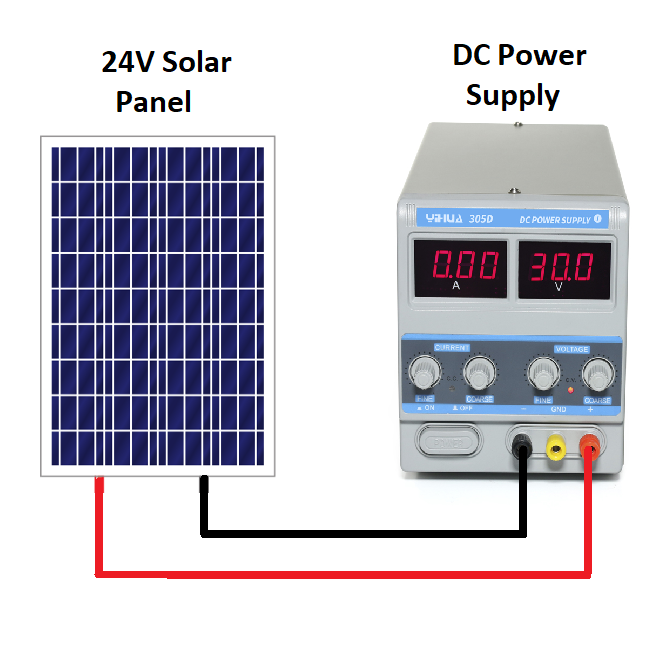
How Solar Panels Generate Electricity?
Solar panels generate electricity from sunlight by converting it into direct current (DC) electricity through photovoltaic (PV) cells. The solar panel collects photons from sunlight and generates DC, and then an inverter converts DC into usable alternating current (AC) electricity.
A common misconception is that Solar panels need heat to work, but in fact, they only need light. This is why panels keep generating power on cloudy days and even rainy days — albeit at lower output.
At Inter Solar, all of our Mono Perc and TOPcon Solar Panel can still perform in low-light conditions, and they are designed with India’s variable climate in mind.
Do Solar Panels Work at Night?
The short answer is “BIG NO” — solar panels do not generate electricity at night because It have no sunlight.
To keep the lights on at Night, solar systems have two options:
- Battery storage: Lithium battery systems store any excess energy created during the day for later use after sunset.
- Net metering (On Grid): Any surplus power generated during the day is exported to the grid, and users receive credits that can be used at night.
Do Solar Panels Work in the Rainy Season?
The answer is yes, though the output will be lower.
This Happen Because:
- Visible light passes through clouds and rain, even during overcast days. PV cells use this diffuse sunlight and convert it to usable electricity.
- Rainy days average about 10% to 50% of peak capacity output based on the thickness of the clouds and intensity of the rain.
How It Is Good For You?
- Rain helps solar panels. It cleans off dusty and dirty surfaces that accumulate over time, allowing for efficiency again when sunny days’ return.
- Modern innovations, such as UV-transparent encapsulates, also help solar panels perform better when there is low light.
- For homes and businesses alike, this means solar is a reliable power source during the monsoon season.
Do Solar Panels Generates in Cloudy Weather?
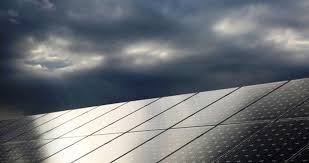
Again, the answer is yes—but at lower output.
- On a standard cloudy day, we estimate panels lose about 10%–25% of their output, compared to sunny days.
- Even under these conditions, solar is capable of generating 33% to 76% output depending on the thickness of the cloud cover.
- Interestingly, there is a phenomenon called “the edge-of-cloud effect.” This occurs when sunlight is refracted around the edges of clouds, and allows the panels to receive bursts of higher-than-usual amounts of energy.
This shows that cloudy weather doesn’t stop solar — it only slows it down. With Inter Solar Topcon modules engineered for low-light performance, our systems are built to deliver consistent output even when the skies aren’t clear.
Solar Panel Performance in Monsoon Season?
India’s monsoon season is known for heavy rains and weeks of cloud cover, which does slow generation time, but does not completely inhibit it.
- Solar panels will, in fact, still work on diffuse sunlight that comes through the clouds.
- Seasonal rains also act to clean your panels and reduce the need for manual panel maintenance.
- Aside from some extreme weather conditions like hailstorms or cyclones that can cause physical destruction to panels, we believe solar presents no risk. That is why at Inter Solar, we only use IEC-certified and MNRE-approved solar panels – durability tested to Indian conditions.
For those customers who are concerned about electricity supply during the monsoon, we recommend a hybrid system with battery storage and net metering. This way, it won’t matter how many overcast, rainy weeks there are because your energy independence won’t be interrupted.
Does Solar Work Without Sunlight ?
This is one of the biggest myths surrounding solar. Solar panels will not work in complete darkness. Solar panels need daylight to generate electricity, which means at night in complete darkness, there will be zero output.
Artificial light sources may create maybe a tiny amount of current for the panel, but not anything useful on a practical level.
There is some exploration of technologies with sun-free photovoltaics on the horizon, but until that innovation comes to fruition, solar, as it is known, will always rely on sunlight or daylight.
So, to simply answer your question: No, solar doesn’t work without sunlight. However, with battery storage and net metering, in reality, you can have access to power 24/7.